FLAVOR
Sensory translation
Does the taste experience actually translate, or does it read as unfamiliar?
Real Korean consumers react to your product on the streets of Seoul. Structured into a clear answer before you commit real capital to Asia.
Built from 15 years operating in Korea and real consumer testing on the streets of Seoul. Not from a research desk.





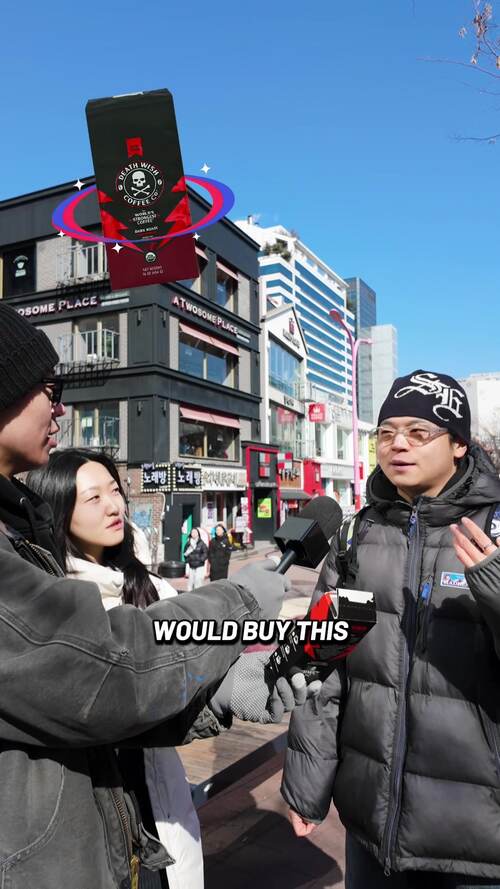






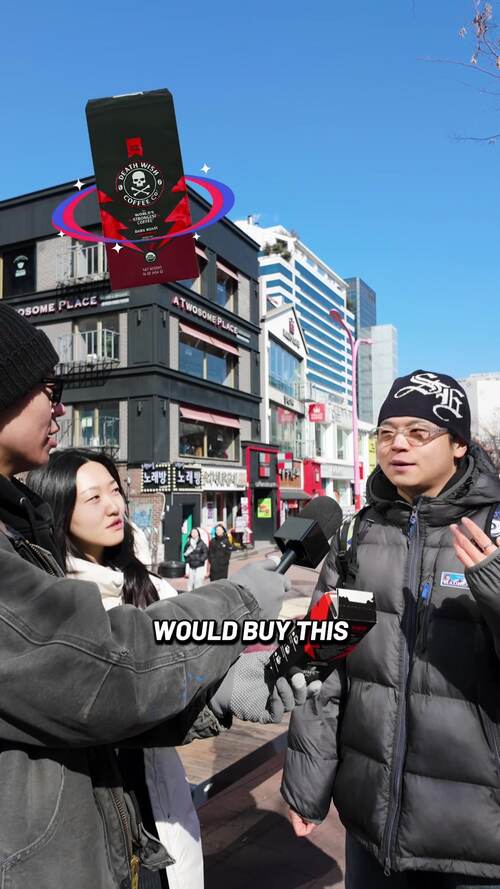

American products. Korean streets. No scripts, no paid actors, no focus-group performance. Just the reactions a brand never gets to see from a desk in the US.
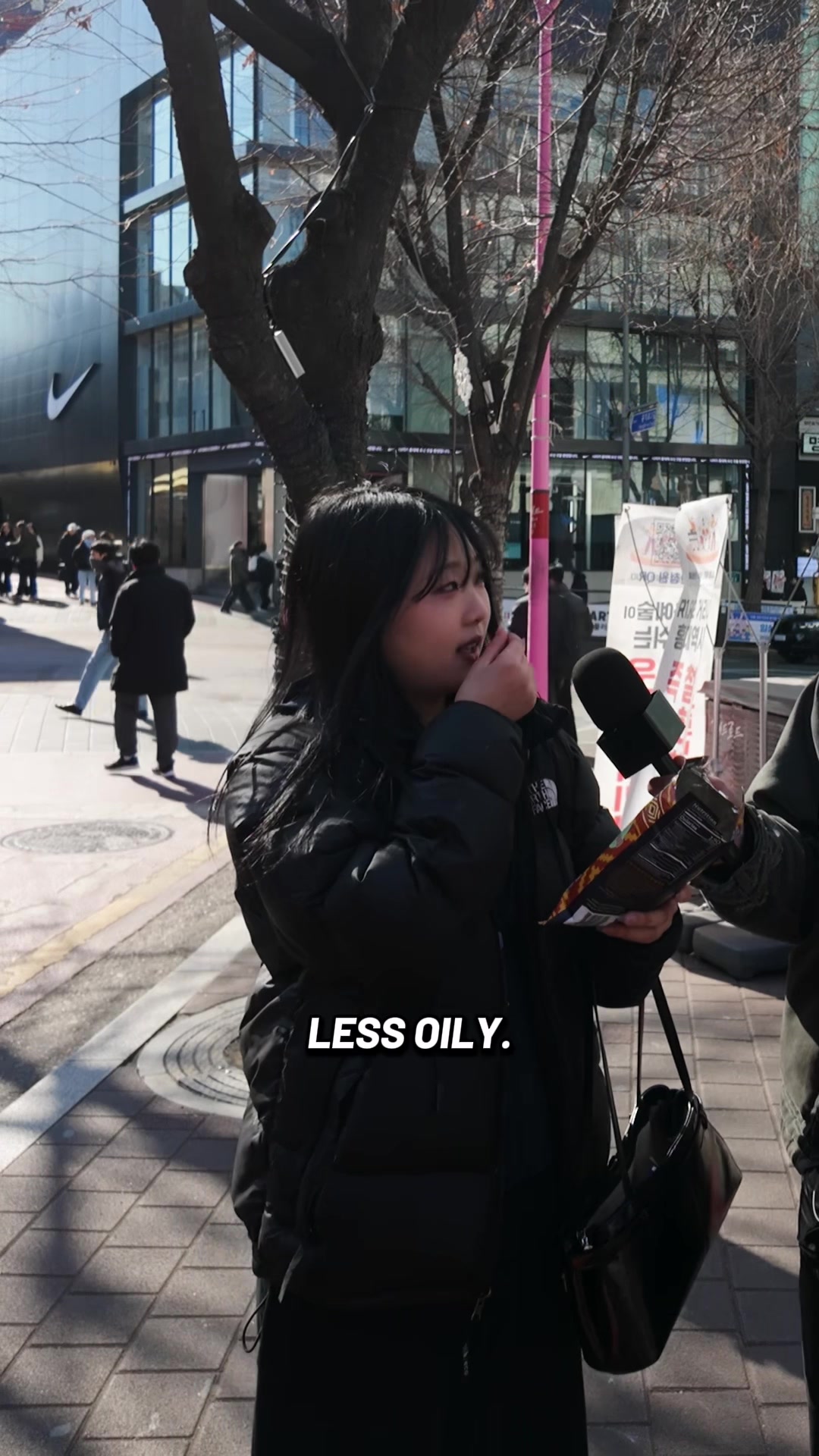
4:36. The full range, Hongdae, Seoul.
2:54. Occasion, flavor, and intent, in their own words.
Three beliefs we've watched cost real brands real money, each traced to the exact moment it was proven wrong on the street.
Enthusiasm from the channel is not evidence of consumer pull. A distributor wants inventory options; a consumer votes with repeat purchases.
Flavor, packaging and language arrive inside a different cultural context. The flavor that built your brand at home is often the novelty item abroad.
People may like a taste without knowing when, why, or at what price they would actually buy it again.
Consumers didn't just like the American chips.
They gave them an occasion: anju
food eaten with alcohol.
A positive reaction is nice. A natural consumption occasion is a market signal. That's the difference between reaction content and commercially useful insight.
A 30-minute scoping call finds the belief that kills your launch if it's wrong. You ship test-quantity samples; we handle everything on the ground in Seoul.
30 to 50 structured consumer interactions across Seoul's trend districts, on camera. Flavor, occasion, packaging, price and cultural fit, mapped by segment.
A structured insight report, a cultural risk map, a 90-second sizzle reel plus extended cut, and one clear recommendation you can take to your board.
Does the taste experience actually translate, or does it read as unfamiliar?
When would someone naturally reach for this? Occasion decides shelf and spend.
Premium import, or discount foreign? The shelf decides in about two seconds.
Your won price slots you next to a specific competitor whether you chose it or not.
What must change, what stays sacred, and what should never have shipped.
Traditional research is rigorous but slow, abstract and expensive. UGC and street-content agencies are fast and loud, but built for engagement, not decisions. The sprint sits deliberately between them.
One fixed fee, defined deliverables, no open-ended billing. Cheaper than one trade show booth, and it answers a bigger question.
Two founding-client slots remain at a reduced rate in exchange for a published case study. Ask on the call.
This is not a consultancy that discovered Korea last quarter. Since 2007: building companies here, speaking about it on national stages and TV, teaching it in classrooms, and signing the deals in between. When Brand Labs reads the street, it reads it from the inside.
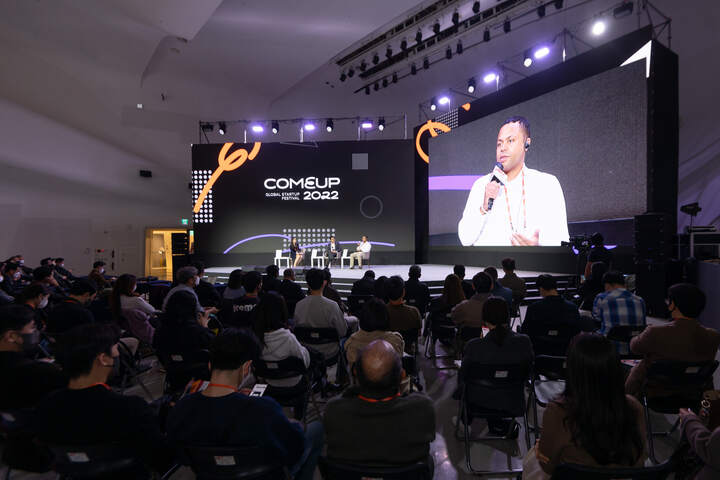
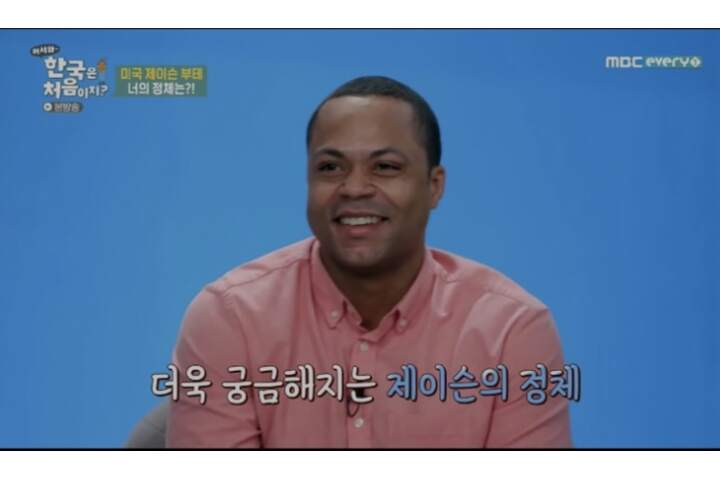
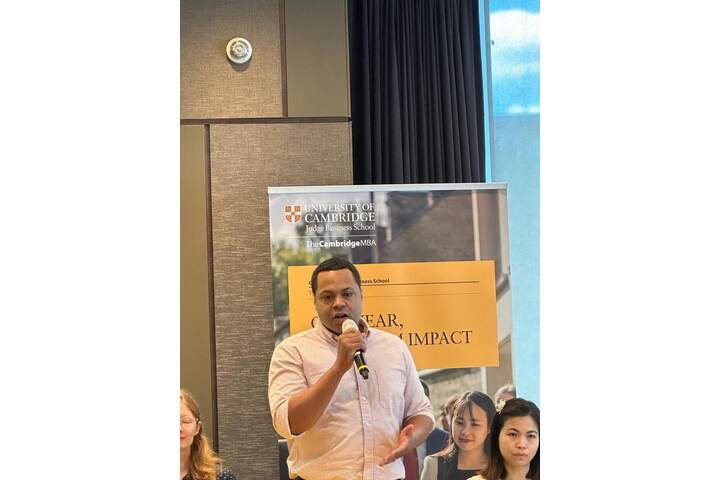
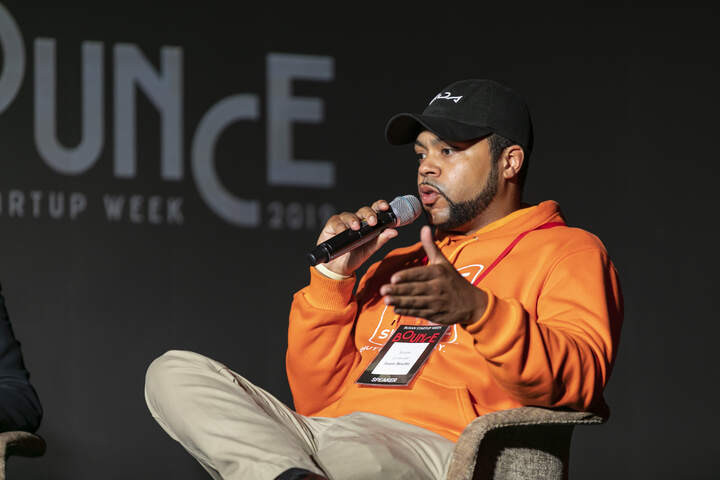
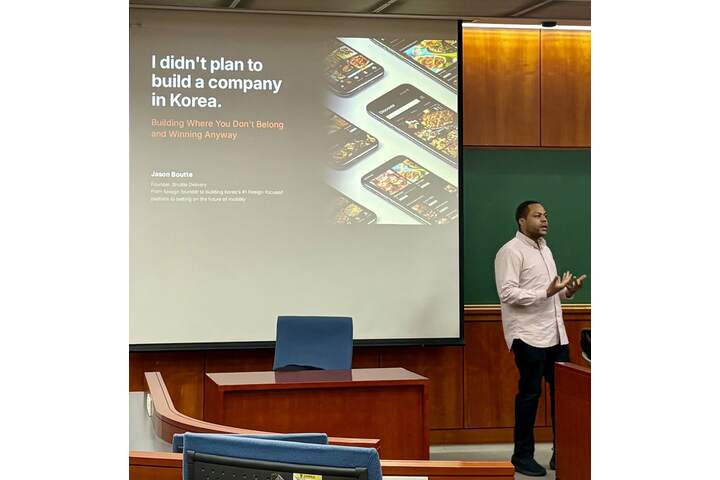
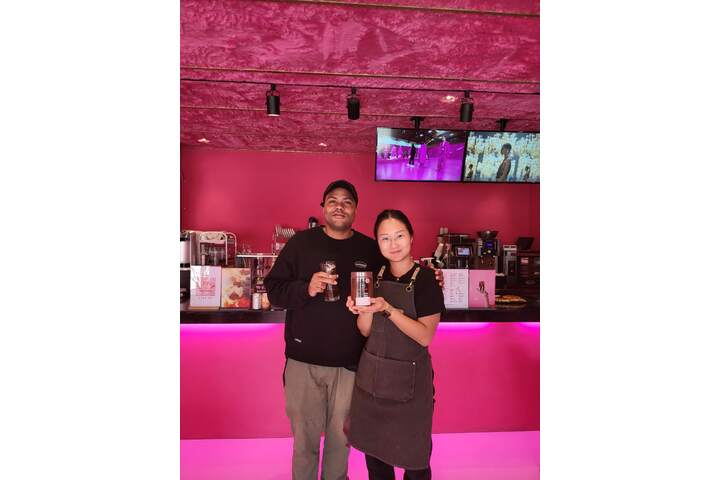
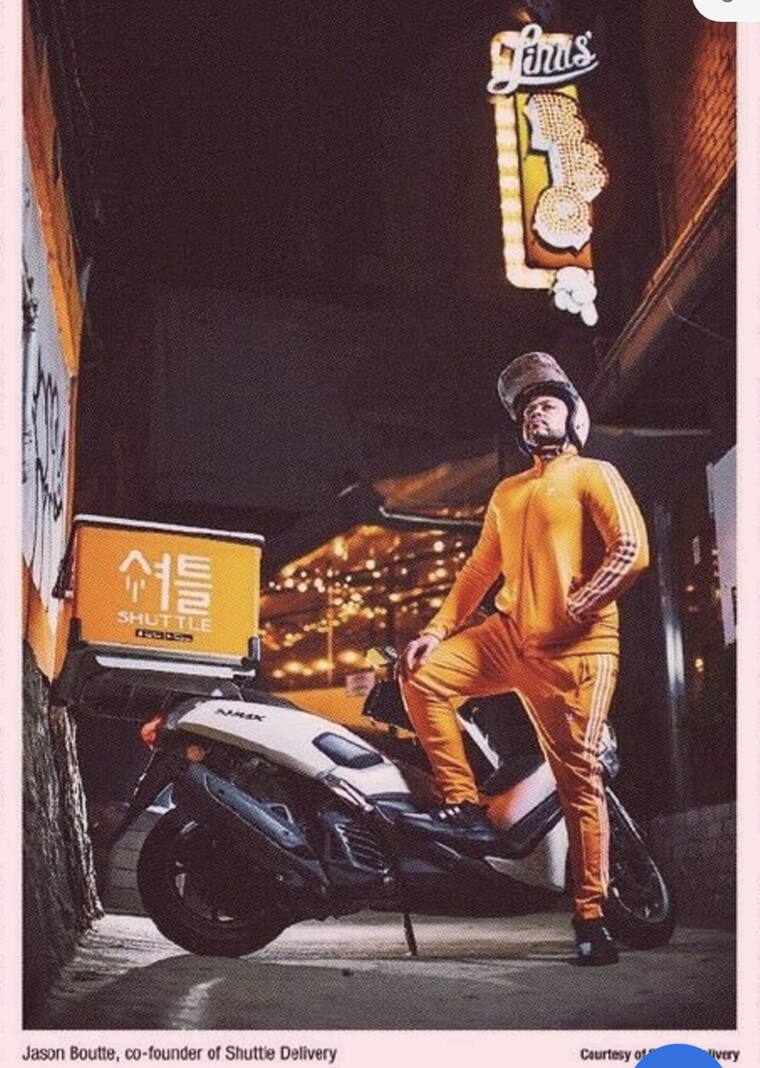
In 2012 Jason co-founded Shuttle Delivery and spent a decade building it into a profitable multi-city food delivery marketplace in one of the hardest consumer markets on earth, competing against giants by understanding one niche at street level.
Brand Labs does for foreign brands exactly what saved his own company: ground truth about how Korean consumers actually behave, gathered where they actually behave, before capital gets committed.
You ship test quantities, typically 2 to 4 cases, by courier as samples rather than commercial import. We handle receipt and everything on the ground in Seoul. If your category has ingredients that complicate Korean import rules, we flag it in the scoping call before you sign anything. That check is part of the service.
No, and we'll never pretend it is. This is structured qualitative signal, not quantitative validation. What it does is kill or confirm your riskiest assumptions fast, with real consumers, before you spend on the research that is statistical. Most brands find the sprint answers the question that actually matters: should we keep going?
Yes. The sizzle reel and extended cut are yours: paid social, investor decks, board meetings, retail pitches. Most research produces a PDF nobody opens twice. A sprint produces assets your marketing team will fight over.
Your distributor is incentivized to say yes. They want inventory options, not your long-term sell-through. We have no stake in whether you enter Korea, which is why our recommendation can be Hold, and sometimes it is. That's the product: clarity, not positivity.
Kickoff within 3 weeks of signing; deliverables in 4 to 6 weeks. It's a fixed fee with defined scope, no retainer and no open-ended billing. For context, one international trade show runs $30–80K and a first shipment $50K+. The sprint costs a fraction of either. Exact quote comes from a 30-minute scoping call.
Founder-led and innovation-driven consumer brands, roughly $5M to $100M in revenue, with Asia-Pacific on the radar in the next 12 to 24 months, even loosely. If your team keeps saying "we should look at Asia someday," this is the cheapest way to turn someday into a decision.
Complete the assessment below. You'll receive the 12-question Asia Readiness Checklist, then you can book a free 30-minute Korea Market Signal Call.